Resources & Knowledge Centre
Empowering businesses with knowledge and compliance.
Understanding Risk Assessments
Risk assessments are essential for identifying workplace hazards before they become accidents. Learn how to assess risks effectively, meet your legal responsibilities and create a safer working environment.
The Importance of Personal Protective Equipment (PPE)
Choosing the right PPE helps protect employees from workplace hazards and ensures compliance with health and safety regulations. Discover best practices for selecting, using and maintaining protective equipment.
Creating a Health and Safety Policy
A clear health and safety policy sets expectations, supports compliance and promotes a positive safety culture. Find out what every effective workplace policy should include.
Understanding Risk Assessments
What is a Risk Assessment?
A risk assessment is a systematic process used to identify workplace hazards, evaluate the risks they present and determine appropriate control measures. It is one of the most important steps in creating a safe working environment and is a legal responsibility for many employers.
By identifying potential dangers before they lead to accidents, businesses can protect employees, visitors and customers while reducing disruption and ensuring compliance with health and safety legislation.
Why Are Risk Assessments Important?
- Effective risk assessments help businesses:
- Prevent workplace accidents and injuries
- Meet legal health and safety obligations
- Protect employees, contractors and visitors
- Reduce business disruption and financial risk
- Promote a positive safety culture
Rather than simply completing paperwork, risk assessments provide a practical framework for managing workplace safety.
How to Carry Out a Risk Assessment
A typical risk assessment involves five key steps:
1. Identify Hazards
Look for anything that could cause harm, such as machinery, electrical equipment, chemicals, manual handling activities or slips and trips.
2. Decide Who Could Be Harmed
Consider employees, contractors, visitors, customers and anyone else who may be affected.
3. Evaluate the Risks
Assess how likely an incident is to occur and how serious the consequences could be.
4. Implement Control Measures
Take practical steps to eliminate or reduce risks wherever possible.
5. Review Regularly
Risk assessments should be reviewed whenever work activities change, new equipment is introduced or following an incident.
How WHSC Can Help
Our experienced consultants provide practical, tailored risk assessments for businesses across Gibraltar. We work closely with organisations to identify hazards, recommend effective control measures and ensure ongoing compliance with current health and safety requirements.
The Importance of Personal Protective Equipment (PPE)
What is PPE?
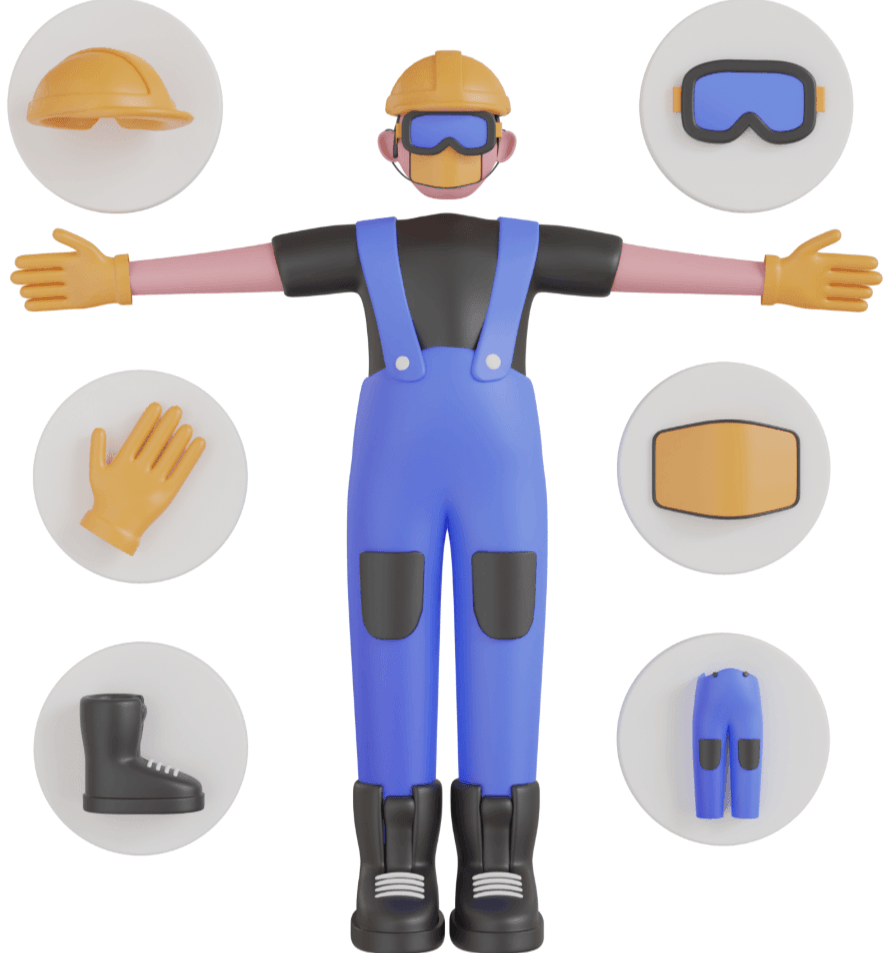
Personal Protective Equipment (PPE) includes clothing and equipment designed to protect workers from hazards that cannot be eliminated through other safety measures.
Examples include:
- Safety helmets
- High-visibility clothing
- Protective gloves
- Safety footwear
- Eye protection
- Hearing protection
- Respiratory protective equipment
PPE should always be used alongside other control measures, not as a replacement for good health and safety practices.
Why PPE Matters
Providing appropriate PPE helps to:
Reduce workplace injuries
- Meet legal responsibilities
- Improve employee confidence
- Create a safer working environment
- Protect employees from hazardous environments
Selecting the correct PPE is essential, as different workplaces require different levels of protection.
Employer Responsibilities
Employers should:
- Provide appropriate PPE where required
- Carry out suitable risk assessments
- Ensure equipment fits correctly
- Train employees on proper use
- Replace damaged or worn equipment
- Inspect PPE regularly
Employees also have a responsibility to use PPE correctly and report any defects immediately.
How WHSC Can Help
WHSC can advise on appropriate PPE requirements for your workplace and supply high-quality safety equipment that meets recognised industry standards, helping you keep your workforce protected and compliant.
Creating a Health & Safety Policy
Why Your Business Needs a Health & Safety Policy
A health and safety policy outlines your organisation's commitment to providing a safe working environment. It explains how health and safety is managed, identifies responsibilities and sets clear expectations for everyone within the business.
For many organisations, having a written policy is an essential part of meeting legal obligations.
What Should a Policy Include?
An effective health and safety policy typically contains:
- Roles and responsibilities
- Risk management procedures
- Emergency arrangements
- Accident reporting procedures
- Training commitments
- Policy review arrangements
- A statement of commitment from management
The policy should be tailored to the specific activities and risks within your organisation.
Keeping Your Policy Up to Date
A health and safety policy should be reviewed regularly to ensure it reflects:
- New workplace activities
- Updated equipment or processes
- Organisational changes
- Lessons learned from incidents
- Changes in legislation
Keeping documentation current demonstrates a proactive approach to workplace safety.
How WHSC Can Help
WHSC develops bespoke health and safety policies tailored to businesses across a wide range of industries. We ensure your documentation is practical, compliant and designed to support the day-to-day operation of your organisation.